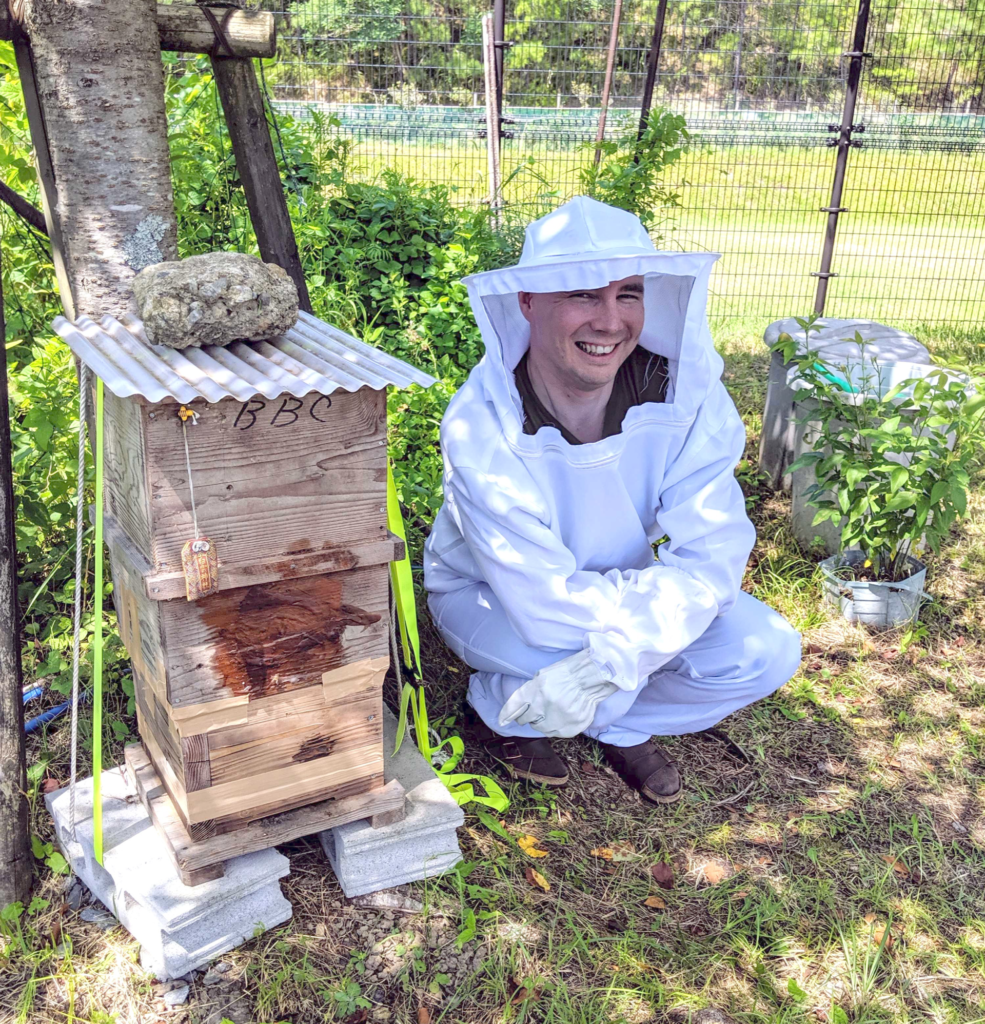
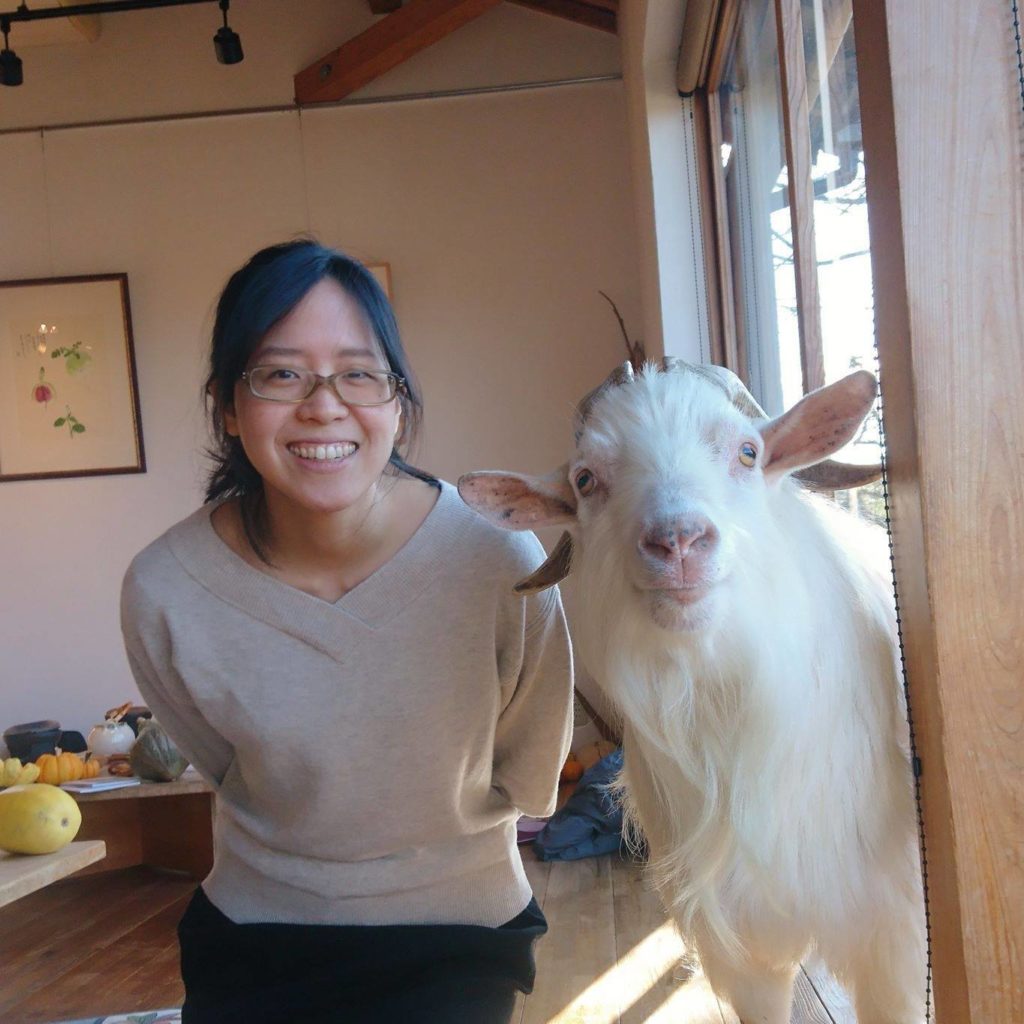
I am a geographer working on cities and sustainability theory from the perspectives of food, agriculture, green space, degrowth, solarpunk and multispecies/more-than-human thinking. An Associate Professor at the Department of Environmental Design, Faculty of Collaborative Regional Innovation (as well as the Graduate School of Humanities and Social Sciences, the Interdisciplinary Graduate School of Regional Resilience, and the Graduate School of Science and Engineering (affiliate)) at Ehime University, I’m also a founding member and Director at the non-profit organization FEAST. The Multispecies Sustainability Lab was founded in 2021 as part of my move to Ehime University from the Research Institute for Humanity and Nature.
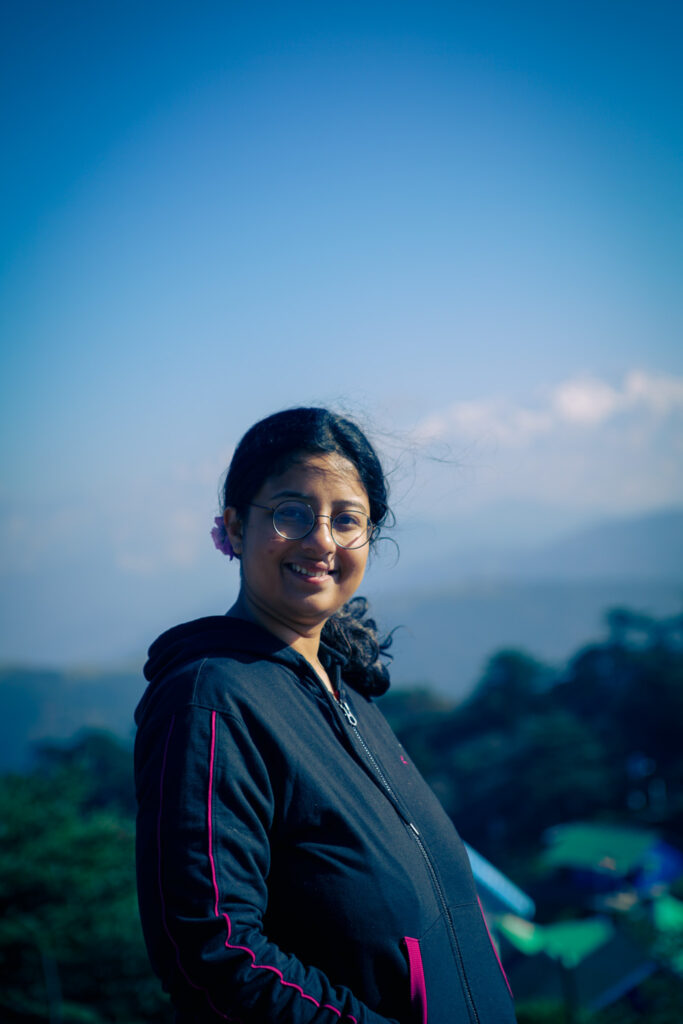
Debapriti Sengupta is a researcher with a speculative streak, diving into solarpunk fiction and its sunny entanglements with energy systems, environmental justice, and techno-utopian (or dystopian) dreams. Her work asks how stories—especially those sprouting solar panels, communal gardens, and a dash of weather hacking—help us imagine alternative energy futures and climate interventions across diverse geographies. Blending science and technology studies, energy humanities, and postcolonial theory, she explores how fiction can power more equitable, imaginative responses to the climate crisis.
A very proud Bengali, she believes strongly in the power of stories, good food, and principled stubbornness. When not theorizing about speculative infrastructure, she’s usually reading, writing, or being thoroughly distracted by dogs—especially the ones that aren’t hers.
Wang Yi
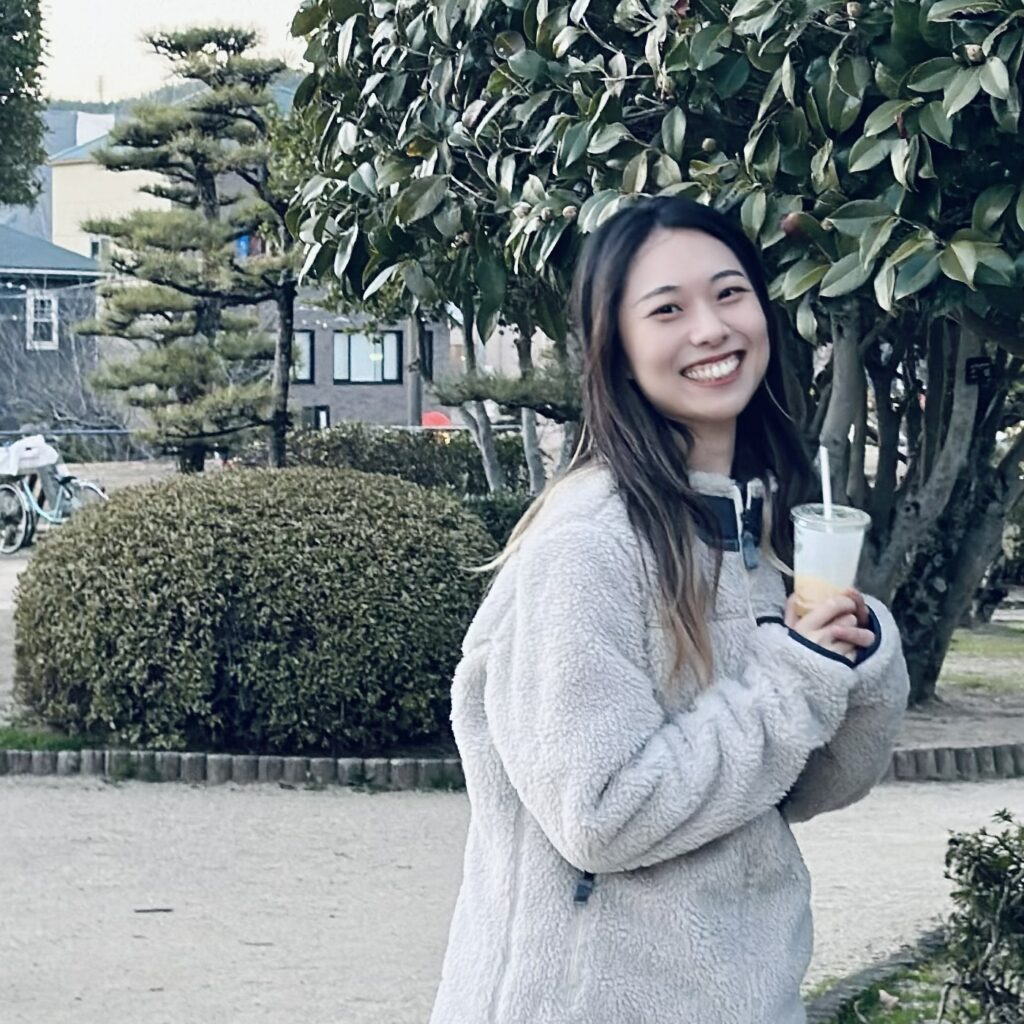
Wang Yi is a Ph.D. student at Ehime University, majoring in Civil and Environmental Engineering. She previously worked as a landscape designer with a focus on biophilic design and participated in a wide range of urban landscape projects in China, including residential developments, mixed-use commercial complexes, urban wetland parks, and suburban pollinator gardens.
Building on her practical experience and industry insights, she emphasizes the integration of theory and practice. Her current research is dedicated to advancing theoretical approaches and applying urban data analysis to support the development of biodiverse and vibrant urban green spaces — with a particular interest in informal green spaces. Her research aims to contribute to the enhancement of urban green infrastructure, promote urban sustainability, and improve human well-being.
Swarnava Chaudhuri
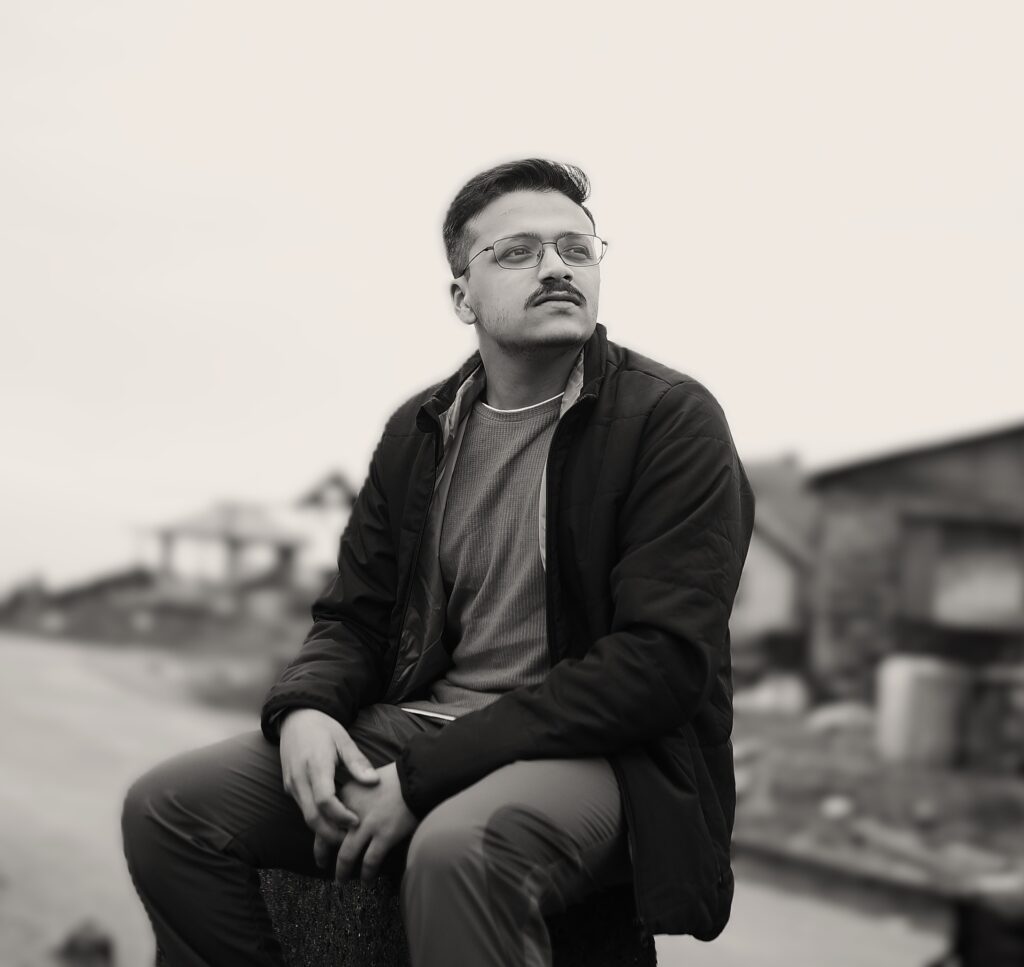
Swarnava Chaudhuri lives somewhere between the margins and the gutters—of comic panels, that is. A researcher of graphic narratives, he traces how stories of care, community, and ecological imagination redraw our futures in ink and empathy. His research dives deep into solarpunk graphic narratives—lush, radical visions where compost bins matter as much as rebellion, and sustainability wears its heart on its sleeve. Through bodies, borders, and blooming gardens, his research follows the quiet rebellion of comics that resist erasure—panels that stitch together healing, solidarity, and slow-burning hope.
Born in Bengal, India—where stories steam like luchi (fluffy, deep-fried flatbread) on a Sunday—Swarnava is a music obsessive, sports lover, and a traveller who prefers wandering off-route. Somewhere off-frame, he’s editing a playlist or chasing the perfect photo he’ll never post. He’s convinced that the answers to life’s big questions lie somewhere between a long walk, a steaming plate of Bengali food, and a Studio Ghibli rewatch. When scribbling notes in the margins of a graphic novel or crying over anime endings, he’s asking what fiction can teach us about survival, community and care. He knows this bio won’t capture him. But then again, what story ever truly does?
Wang Yanjiao
Wang Yanjiao is a recent college graduate and research student at Ehime University. During my college years, I participated in various projects at my school and completed numerous research projects on urban landscapes in China, including the renovation of commercial areas and the design and discussion of environmental welfare. I combined environmental design with its practical application. Research topics in landscape design I am interested in are urban street renovation and informal green spaces.
Friends at large / 世界中の仲間
Talandila Kasapila
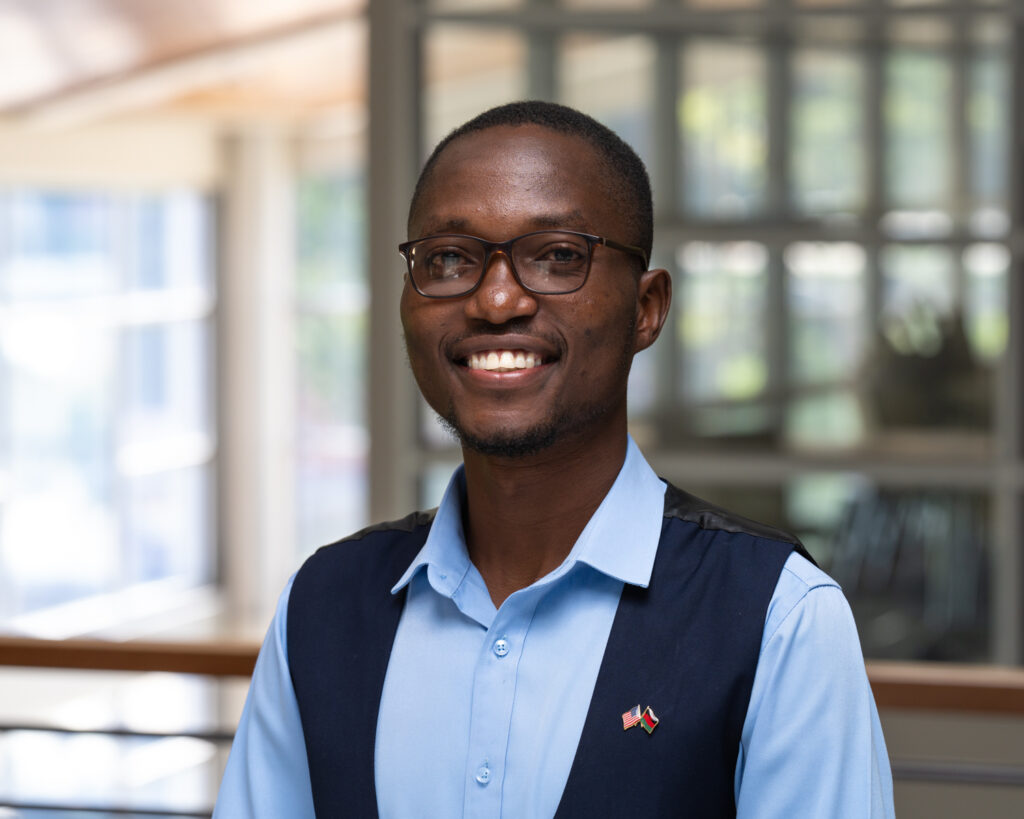
Talandila Kasapila is a conservationist and sustainability science enthusiast specializing in natural resource management, development, and poverty alleviation. Talandila also serves as Park Manager for Lake Malawi National Park. He completed his MSc at Ehime University titled “Governing Sustainability Transitions of Plural Worlds: Values, Futures, and Multispecies Relations at Yakushima World Natural Heritage Site” in 2026.
His research focuses on re-balancing preservation and development at UNESCO World Heritage Sites, addressing value conflicts and sustainability dilemmas. Collaborating with stakeholders in Yakushima (Japan), and Lake Malawi National Park (Malawi), his work seeks to find innovative solutions for transformative multispecies sustainability at these natural heritage sites. You can find him on LinkedIn.
Lihua Cui
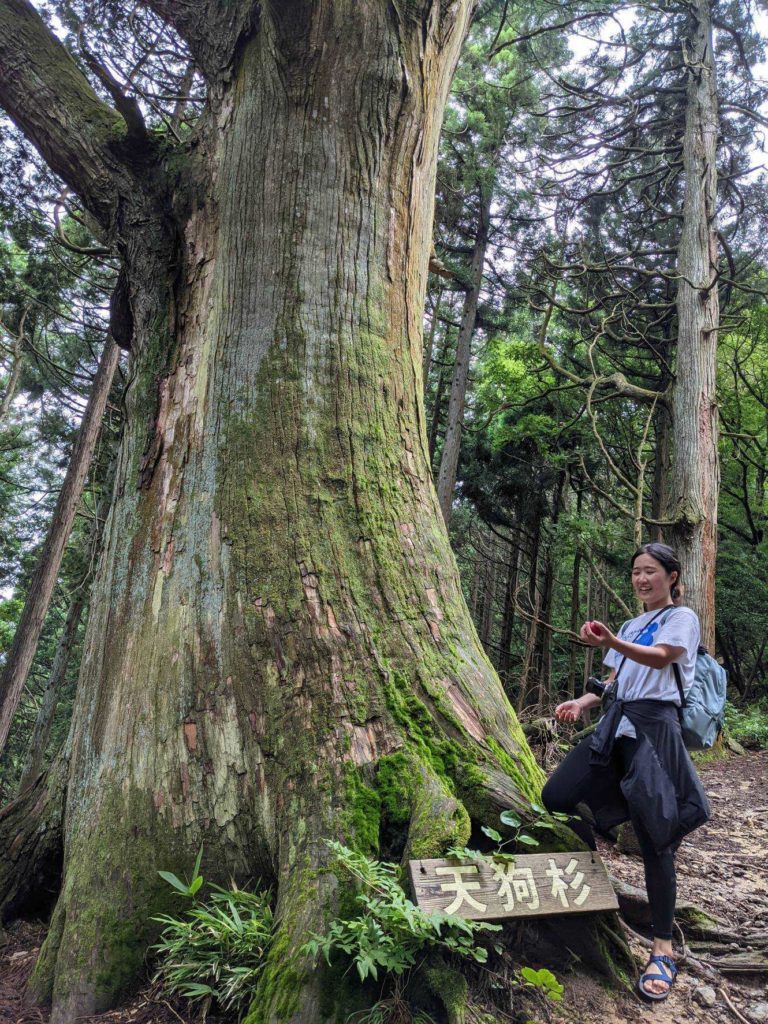
Lihua Cui is a Researcher at the Tokyo Metropolitan Research Institute for Environmental Protection. She is a landscape architect who is keen on the link between historical landscape and sustainable urban environmental management. For many years, Cui has been focusing on the microclimate of Japanese gardens and comfortable urban green spaces. Her study interests also include people’s green space use, urban agriculture, and edible landscapes. When she is not working, she spends most of time in the nature, hiking, cycling, and swimming!
Co-host of General Intellect Unit podcast, PhD candidate at Utrecht University on the Anticiplay project, author of Dragons and Travellers Tales RPG.
Maya Kovskaya / AMOR MUNDI
Maya Kóvskaya (PhD in Political Science at UC Berkeley, 2009) teaches Multispecies Anthropocene Studies; Post- humanist STS; Ecophilosophical, Political, Cultural, Visual Cultural Theory, and Peircian Semiotics at Chiang Mai University in the Faculty of Social Science. She has published widely on the intersection of the political, cultural, and ecological with semiotics, performative and visual culture, and the Anthropocene condition. She heads the multidisciplinary Multispecies Ecological Worldmaking Lab at CMU. Current research entails rethinking the human in a more-than-human world towards conceptualizing a “politics beyond the human and a multispecies polity.” She examines etiologies of the “Anthroposupremocene” in the philosophical underpinnings and workings of the invidious, hierarchical division between humans and the more-than-human world that accompanied the historical, contingent, constitutive species-rupturing alienation of Western Humanist “Man/Anthropos” from “Nature.” Current field research includes a collaborative multispecies project on viral, human, and elephant entanglements in Northern Thailand, and a collaboration with a marine biologist in the Gulf of Thailand on climate change, human disturbance, biodiversity loss, extinction, multispecies ecological niche co-creation, trophic cascades, and eco-semiosis in coral reefs.
Chris Berthelsen is based at Ehime University and Tāmaki Makaurau, Aotearoa – formerly known as Auckland, New Zealand. He explores environments for creative activity, resident-led modification of the everyday environment, and alternative education(s). He is a co-founder of Activities and Research in Environments for Creativity Trust (Tāmaki Makaurau, Aotearoa) and Tanushimaru Institute for Art Research (Fukuoka, Japan).
I am a researcher working at the PBL Netherlands Environmental Assessment Agency, following a postdoc on creative practices aimed at sustainability transformations in the H2020 CreaTures project, a kindred spirit of the Multispecies Sustainability Lab. In my PhD, I explored the use of various experimental ways to think about and act on sustainable futures. I am still fascinated with breaking through sustainability deadlocks with art, play, community organization and radically new ways of thinking. You can find my work at ResearchGate. Feel free to connect with me on LinkedIn.
Ayako Kawai
I am a human ecologist and associate professor at Kagawa University. My research focuses on sustainable human-nonhuman relationships, especially on crop diversity and plant breeding. My interest also includes multispecies thinking and post-capitalist possibilities.
Our lab is best friends with the FEAST NPO and it’s team!
Former lab members
Dr Minseo Kim
Before this lab was founded in 2021, Dr Kim graduated from Chiba University in 2019 under the co-supervision of Christoph Rupprecht with a thesis combining ecological and social analysis of informal greenspaces in Ichikawa City.
Y. Ishinaka
Ishinaka-san graduated in 2024 with a “BA on Reducing insect light pollution impact of urban lighting” , in 2026 with an MSc on “Socio-ecological impact assessment of light pollution using nighttime satellite data”, and worked as a TA for Sustainability Science.
M. Nakayama
Nakayama-san graduated in 2024 with a BA themed “Towards sustainable community cat management” , in 2026 with an MA on “Designs for “pluriversal coexistence” of feral cats and humans: a case study of Shimizu (Matsuyama, Ehime)”, and worked as a TA for Sustainability Science, Sustainability Theory, Field Practice and as an RA for the multispecies campus.